
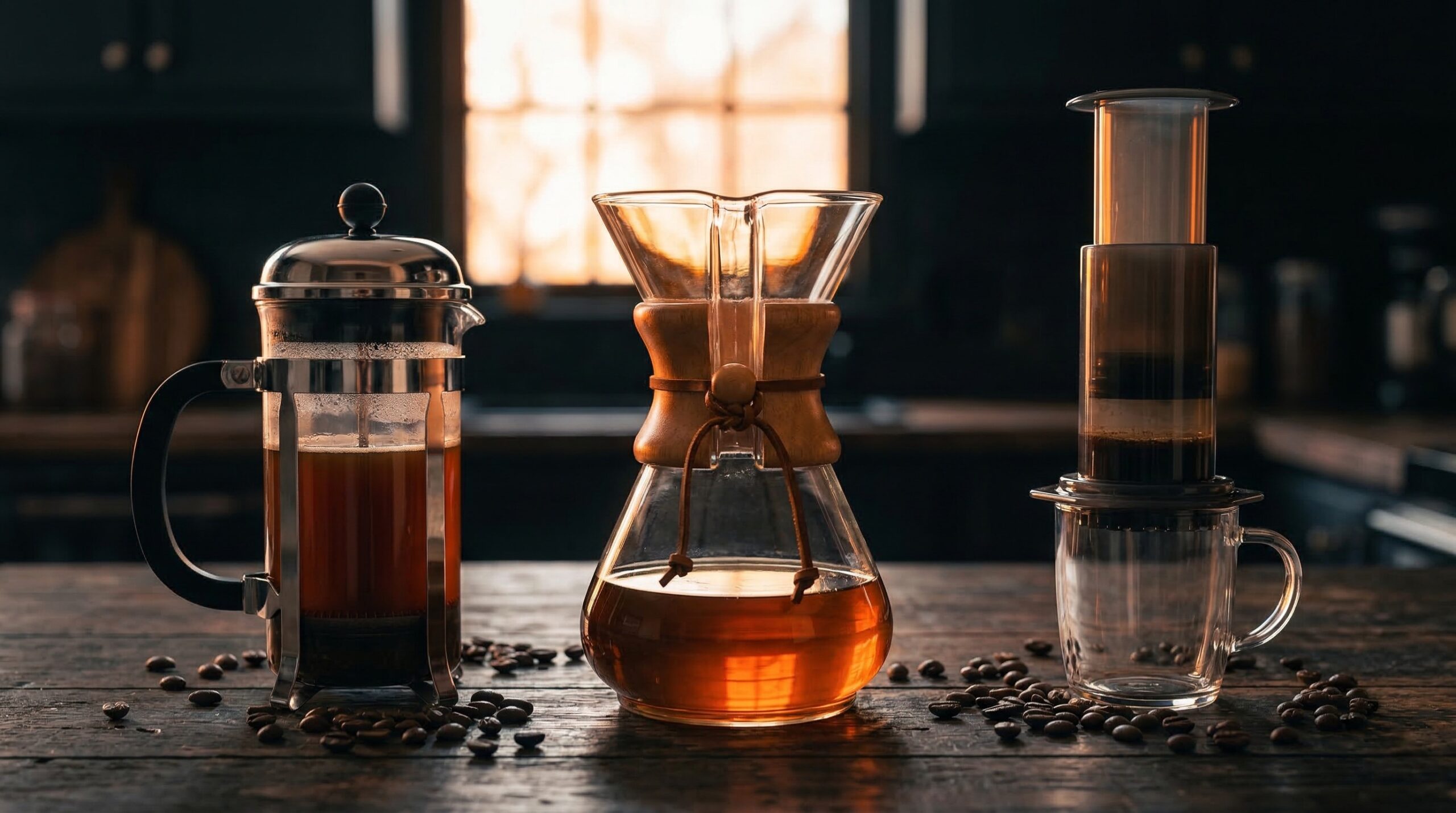
TL;DR
Finding a reliable single-serve brewer in 2026 requires looking past flashy buttons to focus on temperature stability and pump longevity. For most households, the Keurig K-Elite remains the gold standard for its massive reservoir and temperature control. If you have limited counter space, the K-Mini offers an incredibly slim profile, while those seeking a stronger brew on a budget should look toward the K-Express. For those moving away from plastic, the Moccamaster Cup-One and the Aeropress offer superior durability and flavor profile. Always remember that descaling every six months is the single most important factor in keeping these machines out of the landfill.
After testing dozens of machines and monitoring long-term reliability reports from thousands of daily users, I’ve found that the best K-cup coffee maker isn’t necessarily the one with the most “smart” features. In fact, many high-tech models fail within the first year due to sensor issues. Your daily ritual deserves a machine that is consistent, easy to maintain, and capable of handling your favorite pods without a fuss. I have spent years exploring the nuances of coffee makers, from high-end pour-overs to the convenience of pods, to help you find that perfect balance of speed and quality.
| Product Name | Best For | Price Range | Pros/Cons | Visit |
|---|---|---|---|---|
| Keurig K-Elite | Large Households | Check price on Amazon | High capacity reservoir / Slightly noisy pump | |
| Keurig K-Mini | Apartments & Dorms | Check price on Amazon | Ultra-slim design / Must refill every cup | |
| Keurig K-Express | Strong Coffee Fans | Check price on Amazon | Fast brew times / Basic build quality | |
| Keurig K-Duo | Flexible Families | Check price on Amazon | Dual brewing modes / Large footprint | |
| Cuisinart SS-10P1 Premium Brewer | Durability Seekers | Check price on Amazon | Excellent filtration / Slower heat-up time | |
| Keurig K-Café Smart | Latte Lovers | Check price on Amazon | Built-in milk frother / Connectivity issues | |
| Moccamaster Cup-One | Quality Obsessives | Check price on Amazon | Gold cup certified / Expensive for single-cup | |
| Aeropress | Travelers & Purists | Check price on Amazon | Virtually unbreakable / Fully manual |
Top Rated K-Cup Coffee Makers for Every Household
Keurig K-Elite
The Keurig K-Elite is often the first recommendation I give to families who need a machine that can keep up with multiple coffee drinkers. Its standout feature is the 75-ounce water reservoir. In practice, this means you aren’t constantly hovering over the sink to refill it every two or three cups. Your morning routine becomes significantly smoother when the machine is ready to go the moment you walk into the kitchen.
One detail I appreciate is the temperature adjustment. Most pod machines brew at a fixed temperature that can sometimes under-extract darker roasts, but the K-Elite lets you bump it up slightly. The “Strong” button also slows down the brewing process, allowing the water more contact time with the grounds. This is a vital feature for those who find standard K-cups a bit too watery.
The Good
- The massive 75oz reservoir minimizes frequent refilling.
- Customizable brew temperature helps you fine-tune the flavor of different pod brands.
- Includes an “Iced” setting that optimizes the brew for pouring over ice without tasting diluted.
- Quiet Brew technology makes it less disruptive than older Keurig models during early mornings.
The Bad
- The physical footprint is large, so it may not fit comfortably under low cabinets.
- The internal sensors can be sensitive to hard water, requiring strict adherence to descaling schedules.
- The drip tray, while removable, feels a bit flimsy compared to the rest of the chassis.
Should You Buy? Best for busy households who need a reliable workhorse with a large water capacity. Skip if you have very limited counter space or prefer a minimalist aesthetic.
Keurig K-Mini
Your studio apartment or dorm room doesn’t need a bulky appliance taking up half the counter. The Keurig K-Mini is impressively slim—less than five inches wide. It manages this by ditching the traditional reservoir in favor of a “one cup at a time” system. You pour in exactly the amount of water you want for your current cup, and the machine brews the entire amount. It’s a simple, elegant solution for tight spaces.
I’ve found that the integrated cord storage is a small but brilliant touch for keeping a tidy kitchen. However, because there is no standing water in the machine, it does take a bit longer to start the brewing process as it has to heat the fresh water from scratch every single time. It’s the trade-off for such a compact design.
The Good
- Extremely narrow profile fits almost anywhere.
- Travel mug friendly; the drip tray comes out to accommodate taller tumblers.
- Cord storage helps keep your counters looking organized.
- Simple, one-button operation is foolproof for guests or sleepy mornings.
The Bad
- No water reservoir means you must refill it for every single cup you brew.
- The brewing process is slower than reservoir-based models because it heats water on demand.
- Does not have strength or temperature controls found on higher-end Keurig models.
Should You Buy? Best for solo drinkers in small apartments or dorms. Skip if you frequently entertain guests and don’t want to refill water for every person.
Keurig K-Express
If you’re looking for the best value without sacrificing the essential “Strong” button, the K-Express is the sweet spot. It’s essentially a modernized version of the classic Keurig, focusing on speed and simplicity. In my testing, the K-Express consistently produces a hot cup of coffee in under a minute, which is exactly what you want when you’re running late.
The “Strong” feature on this model is surprisingly effective for its price point. It adjusts the pulse-brewing timing to extract more oils and solids from the K-cup. While the build is noticeably more “plasticky” than the K-Elite, the performance is remarkably similar for a fraction of the cost. It’s a pragmatic choice for anyone who just wants a decent cup of coffee without the bells and whistles.
The Good
- The most affordable way to get the dedicated “Strong” brew feature.
- Very fast heat-up and brew cycle times.
- Multiple brew sizes (8, 10, 12 oz) allow for variety in your drink size.
- Compact enough for most kitchens without being as limited as the K-Mini.
The Bad
- The lightweight plastic construction feels less durable over long-term use.
- The pump is louder than the “Quiet Brew” technology found in premium models.
- The reservoir is smaller (42oz), requiring more frequent refills for heavy drinkers.
Should You Buy? Best for budget-conscious buyers who prioritize a strong brew and fast results. Skip if you prefer a machine with a more premium, heavy-duty feel.
Keurig K-Duo
Some mornings you need a quick pod; other mornings—like a slow Sunday brunch—you want a full carafe for the table. The Keurig K-Duo handles both scenarios. It features a 12-cup glass carafe on one side and a standard K-cup dock on the other. This model uses Keurig’s MultiStream technology, which uses five needles instead of one to saturate the coffee grounds more evenly. Your coffee will taste more balanced as a result.
A hidden benefit of the K-Duo is the ability to program the carafe side to brew up to 24 hours in advance. You can wake up to the smell of a full pot of coffee while still having the flexibility to pop in a quick pod for your afternoon pick-me-up. It’s essentially two machines in one, which is a great way to save counter space compared to owning separate brewers.
The Good
- Versatility to switch between single-serve pods and a full 12-cup pot.
- MultiStream technology provides better extraction and more flavor from every pod.
- Programmable auto-brew for the carafe side is a massive time-saver.
- Heating plate for the carafe keeps your coffee hot for hours.
The Bad
- It has a very large footprint and requires significant counter real estate.
- Using both sides can lead to faster calcium buildup; you must be diligent about descaling.
- The carafe side doesn’t have a permanent filter included; you’ll need to buy paper filters or a separate mesh one.
Should You Buy? Best for families who have different coffee needs throughout the week. Skip if you only ever drink one cup at a time.
Cuisinart SS-10P1 Premium Brewer
For those who are tired of the all-plastic feel of some brewers, the Cuisinart SS-10P1 offers a more industrial-grade alternative. Cuisinart has been a staple in the best coffee maker rankings for decades, and this pod-compatible model shows why. It includes a charcoal water filter, which is critical if your tap water has a slight chlorine taste. Better water always leads to better coffee.
I particularly like the “Rinse” button. It performs a quick hot-water purge of the internal needles. This prevents the “old coffee” flavor that can linger if you switch between a flavored tea pod and a standard coffee pod. It’s a small mechanical addition that significantly improves the cleanliness of your flavor profile over time.
The Good
- Includes a charcoal water filter to remove impurities from your tap water.
- Dedicated rinse function keeps the brewing needle clean between different pod types.
- Fully programmable with an adjustable brew temperature and auto-on/off.
- Comes with a reusable filter cup for using your own freshly milled beans.
The Bad
- Heating the water takes a bit longer than the latest Keurig models.
- The LCD screen can be difficult to read in bright kitchen lighting.
- Some users report the pump is quite loud during the final stages of brewing.
Should You Buy? Best for users who want a more durable, feature-rich alternative to standard Keurig machines. Skip if you need the absolute fastest brew time possible.
Keurig K-Café Smart
The K-Café Smart is the most ambitious machine in Keurig’s current lineup. It integrates a milk frother directly into the side of the unit and connects to an app on your phone. The app can actually recognize the specific pod you’ve inserted and suggest the optimal brew settings for a latte or cappuccino. It takes the guesswork out of making specialty drinks at home.
However, honesty is important here: “Smart” features can be a double-edged sword. While the convenience of remote brewing is nice, the added electronics represent more points of failure. In practice, the milk frother is the real star here—it handles both hot and cold milk, allowing you to make iced lattes that rival your local shop.
The Good
- Integrated milk frother works exceptionally well for both hot and cold foam.
- App connectivity provides customized brew recipes based on the specific pod brand.
- “Shot” mode creates a concentrated 2oz brew for milk-based drinks.
- Large reservoir means you won’t be refilling it after every latte.
The Bad
- Connectivity issues are common; some users find the app setup frustrating.
- The machine is quite wide and requires plenty of counter space.
- Higher price point makes it a significant investment compared to standard brewers.
Should You Buy? Best for latte and cappuccino enthusiasts who want a one-stop shop. Skip if you only drink black coffee and find apps for kitchen appliances unnecessary.
What Real Users Are Saying (Reddit Insights)
The Convenience vs. Freshness Reality
A common debate in communities like r/Coffee is whether pod machines can ever truly compete with manual brewing. One recurring point from users who work in the industry is that K-cups are actually better than pre-ground bagged coffee that has been sitting open in a pantry. The special membrane inside a K-cup blocks oxygen, preserving the oils of the coffee much longer than a standard bag. While coffee purists will always recommend using coffee grinders to process whole beans immediately before brewing, the K-cup is a scientifically sound way to maintain a “decent” cup of coffee with zero effort.
Top Complaints & Warnings
When you look at ‘Buy It For Life’ (BIFL) forums, the sentiment toward newer Keurig models is mixed. Users frequently complain about the longevity of “Smart” models. There are reports of internal sensors failing in less than a year, often triggered by steam getting into the electronics. Another frequent warning involves the “plastic taste” some users experience with brand-new machines. The community consensus is that a series of vinegar-only cycles (or using a dedicated descaling solution) is required before the first real cup to clear out manufacturing residues.
“I’ve gone through three smart machines in two years. The convenience is great until the WiFi module dies and the whole machine refuses to brew.” — Reddit User
Budget Tips & Value Picks
Reddit’s frugal coffee community heavily recommends the Costco Kirkland pods as the ultimate value play. Users claim the quality is indistinguishable from name brands like Starbucks or Peet’s at a fraction of the cost. Additionally, many recommend the use of high-quality reusable pods. This allows you to support local roasters while still enjoying the one-touch convenience of your machine. It also addresses the primary environmental concern surrounding the plastic waste of single-use pods.
The ‘Buy It For Life’ (BIFL) Alternatives
Moccamaster Cup-One
If you want a single-serve machine that will likely be in your kitchen ten years from now, the Moccamaster Cup-One is the gold standard. It is handmade in the Netherlands and is one of the few single-serve machines certified by the Specialty Coffee Association (SCA). It doesn’t use pods; instead, it uses a high-quality heating element to get water to the perfect 195-205°F range, then drips it over a paper filter of your own grounds. It’s the ultimate upgrade for someone who wants pod-like convenience with world-class flavor.
Aeropress
The Aeropress is consistently the top recommendation for anyone who hates “planned obsolescence.” It is a simple plastic tube that uses air pressure to push water through coffee grounds. There are no pumps to fail, no heating elements to burn out, and no software to glitch. It is virtually unbreakable and produces a cup of coffee that many enthusiasts prefer over expensive espresso machines. It’s also the perfect travel companion for camping or hotel stays.
How to Choose the Right Brewer: A Buyer’s Guide
- Reservoir Size vs. Counter Space: Measure your cabinets before buying. A 75oz reservoir is convenient, but not if you have to move the machine every time you want to open a drawer.
- Reusable Pod Compatibility: If you plan to use your own coffee, ensure the machine is compatible with universal reusable pods. Some newer “plus” models have specific needle patterns that make third-party pods difficult to use.
- Temperature and Strength Customization: If you like dark roasts, look for a machine with a “Strong” button. If you like lighter roasts, look for adjustable temperature settings to avoid a sour taste.
- Maintenance: The 6-Month Descaling Rule: Regardless of the brand, calcium will build up. Use a 50/50 mix of white vinegar and water or a commercial descaler every six months to keep the pump running smoothly. For more tips on maintaining your setup, our coffee accessories guide covers the best cleaning tools.
Other Notable Alternatives Worth Considering
Casabrews Single Serve Coffee Maker: A great choice for those who want a more modern interface and a surprisingly high-quality milk frother at a mid-range price point.
Aeropress Premium: The glass and stainless steel version of the classic Aeropress. It’s beautiful, heavy, and removes even more plastic from your brewing process.
Hario V60 Ceramic Pour Over: For those who want the cleanest possible cup of coffee with zero plastic contact. It requires more technique but the results are unparalleled.
Frequently Asked Questions
Are ‘Smart’ Keurig coffee makers actually worth it?
While the Keurig K-Café Smart offers great features like remote brewing and pod recognition, many users find the added complexity isn’t worth the risk of mechanical failure. Connectivity issues are a common complaint. If you love lattes and want the machine to do the thinking for you, it’s a fun luxury, but for pure reliability, the K-Elite is generally a safer bet.
Why does K-cup coffee sometimes taste better than pre-ground bagged coffee?
This is due to the oxygen-blocking membrane used in K-cups. Once a bag of coffee is opened, it begins to oxidize and go stale within days. K-cups remain sealed until the moment of brewing, preserving the coffee’s oils. However, for the best flavor, using your own freshly processed beans with coffee grinders in a reusable pod will always win.
What is the best plastic-free alternative to a Keurig?
The Moccamaster Cup-One is the best premium option, featuring high-quality glass and metal components. For a more budget-friendly and indestructible plastic-free feel, the Aeropress Premium (made of glass and steel) is highly recommended. These machines offer a much longer lifespan and better flavor extraction than standard plastic pod machines.
Can I use my own locally roasted coffee in a Keurig?
Yes, you certainly can. You just need a reusable K-cup filter. This is a great way to enjoy specialty coffee from local roasters while still utilizing the convenience of your machine. It also helps reduce environmental waste. Machines like the Cuisinart SS-10P1 even come with a reusable filter included in the box.
How often should I use vinegar to descale my K-cup machine?
You should descale your machine every 3 to 6 months depending on the hardness of your water. If you notice the brew flow slowing down or the coffee isn’t as hot as it used to be, it’s time to clean. Regular maintenance is the key to ensuring your best espresso machine or pod brewer lasts for years instead of months.
Final Thoughts
Choosing the best K-cup coffee maker ultimately depends on how you value convenience versus control. For the average user, the Keurig K-Elite offers the most balanced experience with its massive reservoir and reliable performance. If you are a purist at heart but need speed on weekday mornings, the Moccamaster Cup-One or the Aeropress are investments that will pay off in both flavor and longevity. No matter which machine you choose, prioritizing regular maintenance will ensure your daily ritual remains uninterrupted. Happy brewing!
This page includes affiliate links. We earn a small commission if you buy through them.