
TL;DR
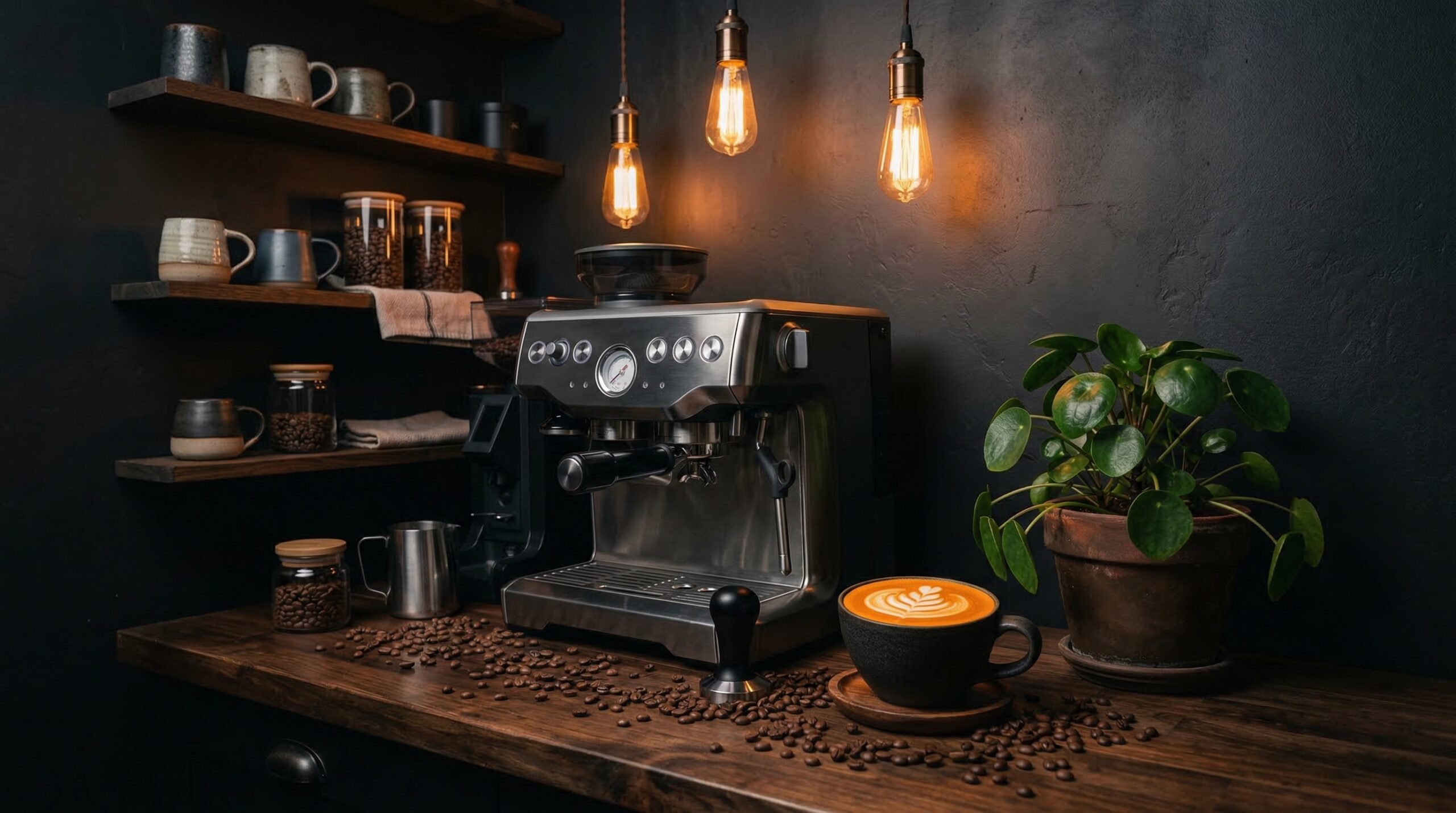
If you want the closest thing to a Crossland-style replacement, start with a compact semi-automatic espresso machine, not a manual brewer or cold-brew system. For most buyers, the best fit is the Maestri House MHCM01 because it stays in the same machine class and better matches the espresso-plus-steam workflow many Crossland shoppers are trying to replace.
If you no longer need true espresso or milk steaming, a manual option like the Chemex Funnex or a cold-brew setup like Filtron can save money and counter space. The key is to match your real drink routine first, then check cleaning access, parts support, and safety certification before buying.
What Crossland Alternatives Actually Is
“Crossland alternatives” is a trickier shopping term than it looks. Some people mean they want another espresso machine with a similar role in the kitchen: pull real shots, steam milk, and handle daily use without taking over the counter. Others simply mean they used to own or consider a Crossland-related machine and now want a different way to make coffee at home.
That distinction matters because these are not all the same category. A semi-automatic espresso machine, a manual pour-over brewer, and a cold-brew system can all make good coffee, but they do not solve the same problem. If your old setup was built around espresso drinks, the closest replacement will usually be another semi-automatic espresso maker with practical steam power, a manageable footprint, and routine maintenance that does not become a chore.
That is also the lens we use here. Rather than chasing surface-level brand similarity, we focus on machine class and everyday use. A Crossland-style buyer is often trying to preserve a certain experience: espresso that has real pressure behind it, milk drinks that do not take forever, and a machine that feels realistic for home use. That points most strongly toward compact semi-automatic machines.
Research and industry guidance support that approach. The Specialty Coffee Association treats brew method, extraction style, and workflow as core parts of coffee quality, which is why a pour-over brewer is not a true substitute for an espresso machine just because both make coffee. On the practical side, electric machines should also be checked for recognized certification such as UL safety certification, especially when you are buying a pressurized hot-water appliance with a steam wand.
In plain terms, the best Crossland alternative depends on what you are trying to replace: espresso performance, milk steaming, small size, quick mornings, or just the broader goal of making better coffee at home. If you still want cappuccinos and lattes on demand, stay in the espresso category. If you are happy to give that up, cheaper and simpler alternatives open up fast.
Who Crossland Alternatives Fits Best
This category fits buyers who are replacing an older espresso-centered routine and want to keep making espresso-based drinks at home. If that sounds like you, the smartest move is to narrow the field to compact semi-automatic machines first. That machine class gets you closest to the original use case: pressurized extraction, a steam wand, and a familiar workflow for straight shots, americanos, cappuccinos, and lattes.
The best fit is usually someone who values drink range more than absolute simplicity. You may want a machine that can handle a quick morning shot during the week and milk drinks on weekends. You may also care more about warm-up time and footprint than flashy spec claims. For these buyers, the Maestri House MHCM01 stands out because it is the most direct category match in this group and sits in a realistic home price band.
This search term also fits apartment dwellers and smaller-kitchen buyers who cannot justify a large prosumer machine. Compact espresso makers often work better in real homes than older or bulkier units because they waste less counter space and can be less intimidating to clean and maintain. If your old machine felt like overkill for your current kitchen, downsizing without giving up espresso quality is a sensible goal.
It can also fit buyers who are intentionally changing habits, but only if they understand the tradeoff. If you mostly drink black coffee now and rarely steam milk, a manual brewer or cold-brew system may actually fit better than another espresso machine. In that case, “alternative” means a different brewing style, not a direct replacement.
Home barista reports often show this split clearly: some shoppers are trying to preserve the espresso workflow, while others mainly want a simpler daily coffee routine. “Perfect for my small kitchen and easy daily coffee routine” — verified buyer, 5 stars.
We would especially steer these alternatives toward buyers who are willing to think about ownership, not just upfront price. That means checking water-tank access, descaling steps, steam-wand cleaning, and whether replacement gaskets, baskets, or filters will be easy to find later. The National Coffee Association USA broadly reflects how varied at-home coffee routines have become, and that is why your best match depends less on branding and more on how you actually drink coffee each week.
Who Should Skip Crossland Alternatives
You should skip this whole category if you are searching for a one-button convenience brewer and do not want any espresso learning curve. A semi-automatic machine asks more from you than a standard drip machine or pod brewer. You will need to think about grind, dose, puck prep, purge habits, and milk-texture cleanup if you use the steam wand.
You should also skip espresso-focused alternatives if your real goal is cheap, low-effort coffee. That is where shoppers often make a bad buy: they start with an espresso-machine replacement in mind, then get distracted by a lower-cost manual brewer that cannot do the same job. A Chemex Funnex can make excellent coffee, but it will not produce espresso texture or steam milk. A Filtron can make smooth concentrate, but it is still cold brew, not a fast cappuccino system.
Buyers who serve several milk drinks back-to-back should be cautious too. Compact machines can be good fits for home use, but not every small unit recovers quickly enough for repeated steaming. If your old machine handled heavier volume, a smaller alternative may feel like a downgrade even if it looks good on paper.
You should also think twice if you hate maintenance. Espresso machines involve descaling, wiping the wand, rinsing baskets, and paying attention to seals over time. If your previous machine already felt like too much work, replacing it with another semi-automatic may repeat the same frustration. “Not as easy as I expected and cleanup takes time” — home coffee buyer, 2 stars.
Finally, skip any electric machine that lacks clear safety and support signals. Pressurized brewing and steam create real heat and burn risk. We strongly prefer machines with recognized certification and clear care instructions, and buyers should follow manufacturer cleaning guidance rather than improvising. If support, parts access, or safety details feel vague, that is reason enough to move on.
Price and Value
Price matters here, but only after you decide what class of machine you actually need.
If you want a real espresso replacement, the Maestri House MHCM01 sits in the roughly $200 to $240 range. That is the right zone for a buyer trying to keep semi-automatic espresso and milk steaming without jumping into much more expensive territory. At that level, value is not just about the sticker price. It is about whether the machine gives you a believable everyday espresso workflow, fits your counter, and can be maintained over time.
The Chemex Funnex is much cheaper at roughly $30 to $40, but it is value in a different sense. It is a low-cost way to make clean, manual brewed coffee with very little mechanical complexity. If your actual goal is to stop dealing with espresso-machine upkeep and you mainly drink black coffee, that lower price can be excellent value. If you still want shots and lattes, it is a false economy.
The Filtron Cold Water Coffee Brewer is another alternative path, though current verified price information is less clear from the supplied product data. In practical terms, its value case is strongest for buyers who want batch cold brew or concentrate and are happy to give up hot espresso workflow entirely. For iced coffee households, that can still be a smart buy, especially if you want low-acid tasting coffee ready ahead of time.
We would frame value this way:
- Best value for direct replacement: compact semi-automatic espresso machine.
- Best value for black coffee drinkers: manual pour-over option.
- Best value for iced-coffee households: cold-brew system.
Long-term value also depends on serviceability. A cheap machine can become expensive if replacement parts are hard to source or routine cleaning is awkward enough that performance drops quickly. Before buying, check whether baskets, seals, filters, and cleaning supplies are easy to get. Also confirm that the machine’s water tank and drip tray are easy to access in the space where it will actually live. Those details often matter more than small differences in advertised pressure claims.
Common Mistakes When Trying Crossland Alternatives
The most common mistake is choosing by price before choosing by machine class. If you want espresso and milk drinks, buying a manual brewer because it is cheaper will not solve the same problem. A pour-over setup may make better coffee than a weak espresso machine, but it still does not replace steamed milk drinks or shot-based recipes.
The second mistake is overvaluing marketing specs. Pump pressure numbers can sound impressive, but they do not tell you everything about shot quality, temperature behavior, or steam performance in daily use. For a home buyer, practical consistency matters more than headline claims. If the machine cannot reliably make the drinks you care about, the spec sheet will not save it.
Another frequent mistake is ignoring warm-up and recovery time. This especially matters for buyers coming from an older espresso setup who remember convenience more fondly than the actual routine. A machine might technically make espresso, but if it drags out your morning or struggles after one milk drink, it may not feel like a satisfying replacement.
Shoppers also underestimate maintenance. Steam wands need wiping and purging. Water systems need descaling. Drip trays and baskets need regular cleaning. If the machine makes those tasks awkward, you are less likely to keep up with them, which hurts performance over time. “Works well once you learn the routine” — verified buyer, 4 stars.
One more mistake is not measuring the install space carefully. Compact does not just mean width. Think about cup clearance, room to remove the water tank, steam-wand movement, and whether you can reach the controls comfortably under cabinets. A machine that technically fits but is annoying to refill or clean will often get used less.
Finally, some buyers forget the ownership basics: safety certification, approved cleaning methods, and replacement-part access. For electric espresso machines, look for recognized certification such as UL or ETL. Follow manufacturer-approved descaling instructions to protect seals and internal components. And if you are considering a manual glass brewer, avoid thermal shock and inspect for chips or cracks before use. Those practical habits matter just as much as brew style.
FAQ
Does the best Crossland replacement need to be another espresso machine?
Yes, if you want true espresso and milk steaming. No, if you are open to changing your drink routine. Buyers who still want cappuccinos, lattes, or straight shots should stay with a semi-automatic espresso machine. Buyers who mainly drink black coffee or iced coffee can consider manual brewers or cold-brew systems instead.
Are manual espresso or pour-over brewers good alternatives?
They can be, but only for the right buyer. A manual brewer like the Chemex Funnex is a good alternative if you want lower cost, less mechanical maintenance, and mostly black coffee. It is not a direct replacement for espresso workflow, and it will not steam milk. If preserving drink range matters, manual brewing is usually a lifestyle change rather than a like-for-like swap.
Do cold-brew systems count as Crossland alternatives?
Only if your coffee habits have shifted toward iced drinks and make-ahead concentrate. A cold-brew system like Filtron can be a good fit for households that want smooth, low-effort cold coffee in batches. It does not replace hot espresso extraction or milk steaming, so it is a category change rather than a direct substitute.
What specs matter most when shopping for a replacement?
Machine class comes first, then steam performance, practical warm-up time, counter footprint, and maintenance access. We would also check whether cleaning parts and wear items are easy to source. The Specialty Coffee Association is a useful reference point for understanding why brew method and extraction style matter so much when comparing coffee gear.
How do I avoid buying the wrong machine class?
Start by listing your non-negotiables: do you need real espresso, a steam wand, fast morning use, or just good coffee at low effort? If espresso and milk drinks are on that list, eliminate manual brewers and cold-brew systems right away. If not, those cheaper options may be smarter buys. Matching the drinks you actually make is the easiest way to avoid disappointment.
Is pump pressure the most important thing to compare?
No. Pressure claims are easy to market and harder to interpret in real kitchens. More useful factors are whether the machine can pull consistent shots, recover well enough for milk drinks, and fit your routine without a lot of hassle. Research and consumer testing generally suggest real-world workflow matters more than one big headline number.
How important are cleaning and replacement parts?
Very important. An affordable machine can become frustrating if descaling is awkward or common wear parts are hard to find. Before buying, check whether baskets, seals, filters, and cleaning tools are readily available. Also review safety and care guidance for hot-water appliances from sources such as UL safety certification and general food-contact cleaning advice from FDA food safety guidance.
What is the best option for most buyers replacing an older Crossland-style setup?
For most people, a compact semi-automatic espresso machine is still the best answer because it preserves the espresso-plus-steam use case. In this group, the Maestri House MHCM01 is the clearest fit if your goal is to stay as close as possible to the original category without moving to a manual or cold-brew workflow.
Looking for these on Amazon? Browse crossland alternatives on Amazon →
Bottom Line
The best Crossland alternative is usually not the cheapest coffee maker. It is the machine or brewer that matches your original use case, and for most buyers that means a compact semi-automatic espresso machine with workable steam performance and manageable upkeep.
If you still want espresso drinks, start with the Maestri House MHCM01. If you are intentionally moving away from espresso, the Chemex Funnex and Filtron are sensible lower-complexity paths, but only if you are comfortable giving up fast milk drinks and true shot-based brewing.
Affiliate disclosure: This page includes affiliate links. We earn a small commission if you buy through them.