
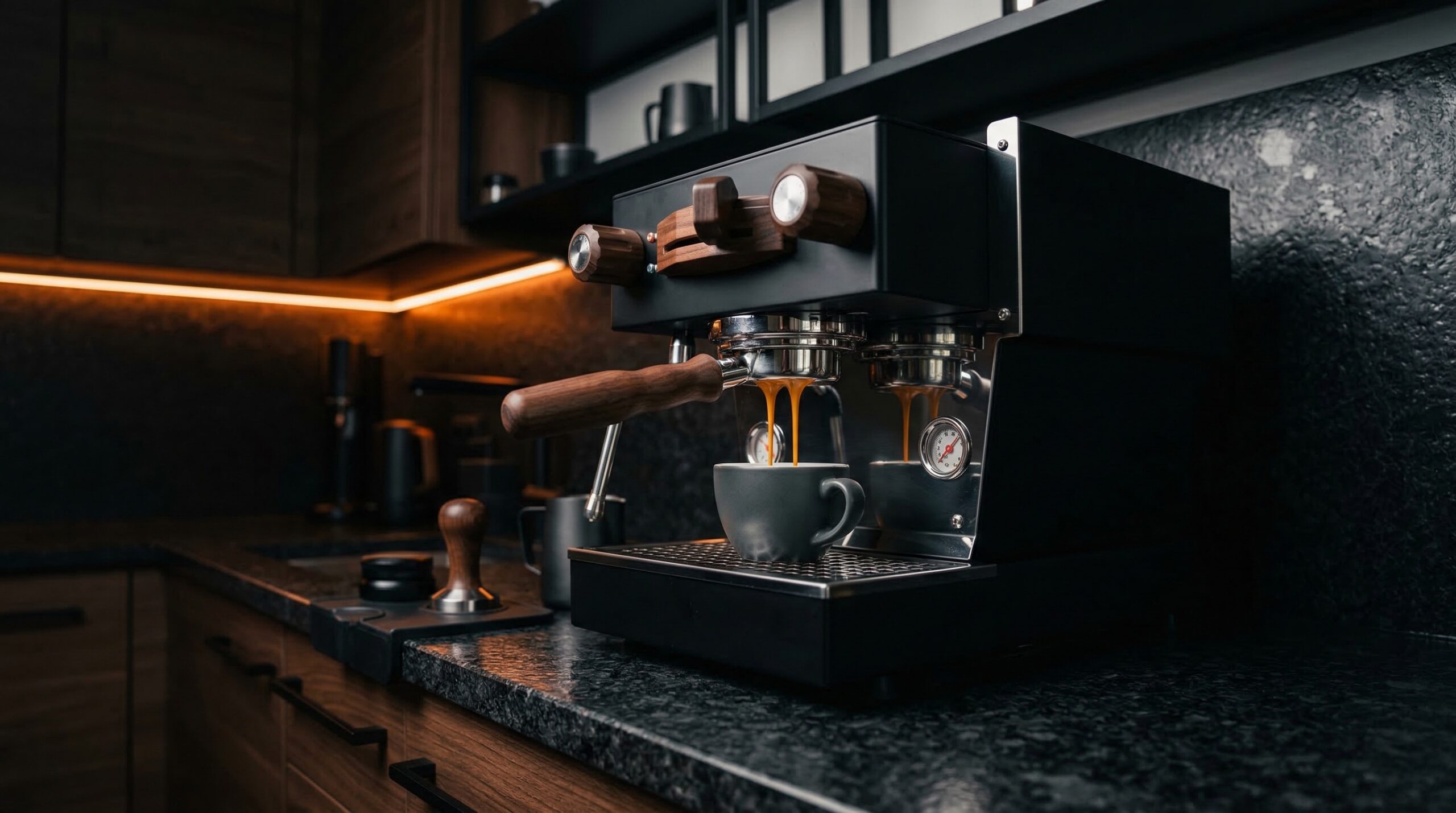
TL;DR
The best budget-friendly espresso machine for most people is the one that makes repeatable shots without turning every morning into a troubleshooting session. In this group, we’d prioritize stable temperature, usable steam, easy cleanup, and parts support over flashy 15- or 20-bar marketing claims, especially since guidance from the Specialty Coffee Association points buyers back to brew variables and consistency rather than headline pressure numbers alone.
Top Recommended Affordable Espresso Machines
| Product | Best For | Price | Pros/Cons | Visit |
|---|---|---|---|---|
| Turin Legato V2 Espresso Machine | 58mm Portafilter, PID | Skill growth on a real espresso setup | $459.00as of Oct 19, 02:35 GMT+0000 | 58mm portafilter and PID give it room to grow; some buyers report lower-than-expected serving temperature | Visit Amazon |
| Maestri House® MHCM01 Narrow Semi-Automatic Espresso Maker | Compact starter machine | $200 – $240 | Lower entry price and compact footprint; long-term performance is less proven | Visit MaestriHouse |
| Breville Barista Express Espresso Machine BES870XL, Brushed | All-in-one convenience | Check price on Amazon | Built-in grinder simplifies setup for new users; larger footprint and more cleanup than machine-only options | Visit Amazon |
Top Pick: Best Overall Affordable Espresso Machines
Turin Legato V2 Espresso Machine | 58mm Portafilter, PID
Best for: A beginner home espresso setup under $500 that still leaves room to learn proper puck prep, dialing in, and milk steaming with a separate grinder.
The Good
- Uses a 58mm portafilter format, which is a big advantage for accessory choice and replacement-part flexibility.
- PID temperature control is the kind of feature we like to see in this price range because repeatability matters more than pressure marketing.
- Pressure gauge gives new users useful feedback while dialing in shots.
- Better fit for buyers who want to move beyond purely forgiving pressurized-basket espresso over time.
- Strong value for an enthusiast-leaning machine in the sub-$500 class (58mm portafilter and PID, per brand spec).
The Bad
- Review history is still limited compared with more established models.
- Some home barista reports mention lower-than-expected drink temperature.
- Not the easiest choice if you plan to rely mostly on stale pre-ground supermarket coffee.
4/5 across 12 Amazon reviews
“I wanted ease of use, adjustments, ability to clean, reasonable footprint on the counter and separate heating for the coffee boiler and the steam wand. I got it w/ this machine. Can adjust the OPV, the water flow. It does fit a variety of scales when using a bottomless portafilter water tank–I leave it in place—it’s got an easy lid to fill and it’s…” — Verified Amazon buyer (4 stars)
“Overrated. Couldn’t get a really hot espresso. Poor instructions. Sadly I’ll stick to my nespresso.” — Verified Amazon buyer (2 stars)
“If so the Turin Legato v2 or whatever branding you want in it machine is outstanding for sub $500.00.” — r/espresso discussion
One verified buyer summed up the usefulness of the gauge clearly: “I like seeing the bar pressure for the shots. It helps me to diagnose” — verified buyer, 5 stars.
Our Take: This is the best overall pick because it offers the most real espresso upside for the money, especially for buyers who already own, or plan to buy, an espresso-capable grinder and want a machine they can grow with instead of replacing in a year.
What makes the Turin Legato V2 stand out is not a giant pump-pressure claim, but the features that actually help you make more consistent coffee. Research and coffee-professional guidance generally indicate that stable brew temperature and repeatability matter more than whether a box says 15 or 20 bars. That matters a lot in affordable machines, where thermoblock convenience and compact size often come with compromises in steam power or extraction consistency.
For freshly ground coffee, the Turin makes more sense than most cheap starter machines because the 58mm format puts it closer to the accessory ecosystem many enthusiasts already use. That can lower your long-term ownership headache. Standard-size tampers, baskets, and puck-prep tools are easier to find, and that matters once you start troubleshooting channeling or trying different dose sizes. If you are the kind of buyer who wants to move from forgiving dark-roast shots into medium or lighter roasts, this platform gives you more runway than a sealed-off beginner machine.
There are tradeoffs. Buyer reviews suggest the machine can reward careful dialing in, but it is less forgiving when the grinder or puck prep is off. A separate grinder is not optional if you want the Turin to show its strengths. If your plan is to use pre-ground coffee most of the time, a simpler pressurized-basket machine may actually feel more affordable in daily use because it will waste less coffee and patience.
Steam performance is where affordable machines often reveal their limits. The Turin can make milk drinks, but buyers shopping mainly for back-to-back cappuccinos should still expect some recovery time between brewing and steaming. That is normal at this price. Purging the wand after every use, wiping it immediately, and staying on top of descaling will matter just as much as any spec sheet. For safety, we also prefer machines sold to U.S. buyers with recognized certification expectations such as UL safety certification, since these are countertop appliances with heat and steam.
If you want an affordable espresso machine that does not dead-end your hobby, the Turin Legato V2 is the strongest balance of price, learning potential, and realistic long-term value here.
Maestri House® MHCM01 Narrow Semi-Automatic Espresso Maker
Best for: A small kitchen countertop setup where you want an affordable, compact machine for occasional lattes or straight shots without spending near $500.
The Good
- Lower entry price than the other picks here.
- Compact narrow design should fit more easily in apartments and smaller kitchens.
- Semi-automatic format gives buyers more hands-on control than pod-style alternatives.
- Direct fit for shoppers who want a true espresso machine experience at a lower initial cost.
The Bad
- Less established long-term track record than more proven mainstream machines.
- Accessory ecosystem and parts support may be narrower than on 58mm-oriented enthusiast machines.
- Lower purchase price can still mean more compromises in steam strength and temperature stability.
Our Take: For a buyer trying to keep spending closer to the low-$200 range, this is a reasonable compact starter option, but we would treat it as a convenience-first machine rather than a long-term upgrade platform.
This Maestri House model makes sense for buyers who need a real budget entry point and do not want a machine that dominates the counter. That alone gives it a practical edge for dorm-like kitchens, small apartments, or offices where every inch matters. If your goal is a basic morning latte and you value compact dimensions more than tweakability, a narrow machine like this can be the right answer.
We would still go in with the right expectations. In the affordable category, seller listings often push bar-pressure numbers hard, but that does not tell you much about how the shot will taste. What matters more is how stable the machine is in actual use, whether the steam wand is easy to clean, and whether the baskets match your coffee routine. If you mostly use pre-ground coffee, a forgiving basket setup can be a plus. If you already own a strong grinder, a compact budget model can feel limiting faster.
Because this machine is aimed at entry-level buyers, it is best viewed as a practical first step rather than a hobby platform. It should appeal most to someone who wants espresso drinks at home without learning every variable at once. If that sounds like you, the lower buy-in could be worth the tradeoff.
Breville Barista Express Espresso Machine BES870XL, Brushed
Best for: Buyers who want an all-in-one espresso station for a first serious home setup, especially in a household that values convenience over the smallest footprint.
The Good
- Built-in grinder simplifies the path to fresh-ground espresso.
- Very large base of buyer reviews gives it more real-world ownership history than most affordable rivals.
- Well-known mainstream option for people who want one machine instead of building a separate grinder-plus-machine setup.
- Can be a smoother on-ramp for beginners than machine-only models that assume you already have a capable grinder.
The Bad
- Integrated grinder means more parts to clean and maintain.
- Takes up more counter space than compact machine-only picks.
- All-in-one design can be less flexible than buying a standalone grinder and standalone machine separately.
4.5/5 across 27,565 Amazon reviews
“I absolutely love this machine. With as many lattes as I drink, this will easily pay for itself within a year, inclouding the cost of beans, milk and cleaning products.Notes: Make sure to keep up with all the regular maintenance. Ever day after I’ve made my coffee, I wipe the steam wand, purge it, then wipe again. Make sure to get into all the crevices…” — Verified Amazon buyer (5 stars)
“As my profile name says, this is my first ever review and a feedback for anything I bought anywhere online. I felt like doing it because I have some spare time over Christmas and also I hope someone will find this helpful.If your primary criteria for choosing an espresso machine is the looks, don’t read further. Choose this machine as my opinion it is the…” — Verified Amazon buyer (1 stars)
Our Take: The Barista Express is still one of the easiest ways to get into fresh-ground home espresso, but it is a better fit for convenience-focused buyers than for those who want the most upgrade-friendly machine architecture.
The main appeal here is simple: it bundles the core pieces many first-time buyers need into one package. That can make the total purchase feel more manageable, especially since a capable grinder matters as much as the machine itself for true espresso. For someone starting from zero, that convenience can outweigh the larger footprint and extra cleanup.
Its long review history also matters. While no single model is perfect, broad buyer feedback can help reveal what daily ownership actually looks like. In this case, the machine’s popularity suggests it has met the needs of many home users who want café-style drinks without assembling a more enthusiast-focused setup. With a 4.5/5 average across 27,565 Amazon reviews, it clearly has wide mainstream appeal.
The compromise is flexibility. All-in-one machines are convenient, but if your grinder tastes or workflow preferences change later, you are more locked in. Buyers who already know they want to tinker with baskets, accessories, and shot variables may get more long-term value from a separate machine like the Turin paired with an espresso grinder. Buyers who just want one box and one learning curve may feel exactly the opposite.
FAQ
Is 15 or 20 bars important when choosing an affordable espresso machine?
Usually not. For home buyers, temperature consistency, repeatability, and basket design matter more than a big pressure number on the box. Guidance from the Specialty Coffee Association and general espresso best practices point toward brew control and extraction variables as the factors that shape cup quality most directly. In plain terms, a machine with steadier temperature and a usable basket setup will often beat a machine with louder pressure marketing.
Are pressurized baskets good enough for beginners?
Yes, especially if you use pre-ground coffee or a grinder that is not truly espresso-capable. Pressurized baskets are more forgiving and can help new users get drinkable results faster. The downside is that they cap how much control you have over extraction, so once you start buying fresher beans and improving your grinder, a non-pressurized setup usually becomes more appealing.
Can an affordable espresso machine make café-quality shots without a separate grinder?
Sometimes, but only in a limited sense. If you are using pre-ground coffee, a forgiving machine can make enjoyable drinks, but true espresso performance depends heavily on grind size and freshness. That is why machines like the Breville Barista Express can make sense for beginners: they reduce the number of separate purchases. If you want to chase better shot quality over time, a dedicated espresso-capable grinder is still one of the smartest upgrades you can make.
How often should you descale an entry-level espresso machine?
It depends on your water hardness and how often you brew, but regular descaling is part of ownership on any affordable machine. Hard-water homes may need it more often, while softer-water homes can usually go longer. Beyond descaling, rinse baskets, empty the drip tray often, wipe the steam wand immediately after use, and purge steam paths after milk drinks. For food-contact and cleaning basics, general references such as FDA food safety guidance are also worth keeping in mind.
Is a thermoblock machine a smart buy for quick mornings?
Often yes. Thermoblock designs tend to heat quickly, which is handy when you want coffee fast before work. The tradeoff is that lower-cost thermoblock machines can show weaker steam consistency and less stable brew temperature than more expensive systems. If your main drink is a plain shot, quick heat-up may matter most. If you make milk drinks every day, steam recovery becomes a bigger factor.
What matters more for milk drinks on a budget: steam power or shot quality?
Both matter, but weak steam is often what frustrates budget buyers first. Even a decent shot can feel disappointing if the machine struggles to texture milk or takes a long time to recover between brewing and steaming. For cappuccino-heavy households, we would pay close attention to wand usability, purge routine, and cleanup burden. Also remember that steam wands and group heads get very hot, so normal countertop safety habits matter, along with buying from brands that meet recognized standards like UL safety certification.
What makes one affordable espresso machine a better long-term value than another?
Parts support, cleaning access, and accessory compatibility. A cheap machine is not really affordable if it becomes disposable after a gasket wears out or if replacement baskets are hard to find. Machines with more standard accessory sizes, clearer maintenance routines, and easier-to-source parts tend to age better. That is a big reason we rate the Turin highly despite its higher upfront price within this group.
Which pick is best if I use pre-ground coffee most of the time?
If you mostly use pre-ground coffee, prioritize ease and forgiveness over enthusiast features. The Maestri House is the better fit of these picks if your goal is simple entry-level home espresso in a compact footprint. The Turin is the stronger machine overall, but it makes the most sense when paired with a proper grinder and a buyer who wants to keep learning.
Bottom Line
The Turin Legato V2 is our top recommendation because it gives buyers the best mix of real espresso potential, usable control, and long-term value in this affordable range. Its 58mm portafilter format and PID temperature control make it feel less disposable than many cheap machines, especially for people building a home setup around freshly ground coffee. If you want the most forgiving low-cost start, go simpler — but if you want an affordable machine you can actually grow into, the Turin is the one we’d buy first.
Affiliate disclosure: This page includes affiliate links. We earn a small commission if you buy through them.
Product prices and availability are accurate as of the date/time indicated and are subject to change. Any price and availability information displayed on Amazon.com at the time of purchase will apply to the purchase of this product. Certain content that appears on this site comes from Amazon. This content is provided “as is” and is subject to change or removal at any time.