
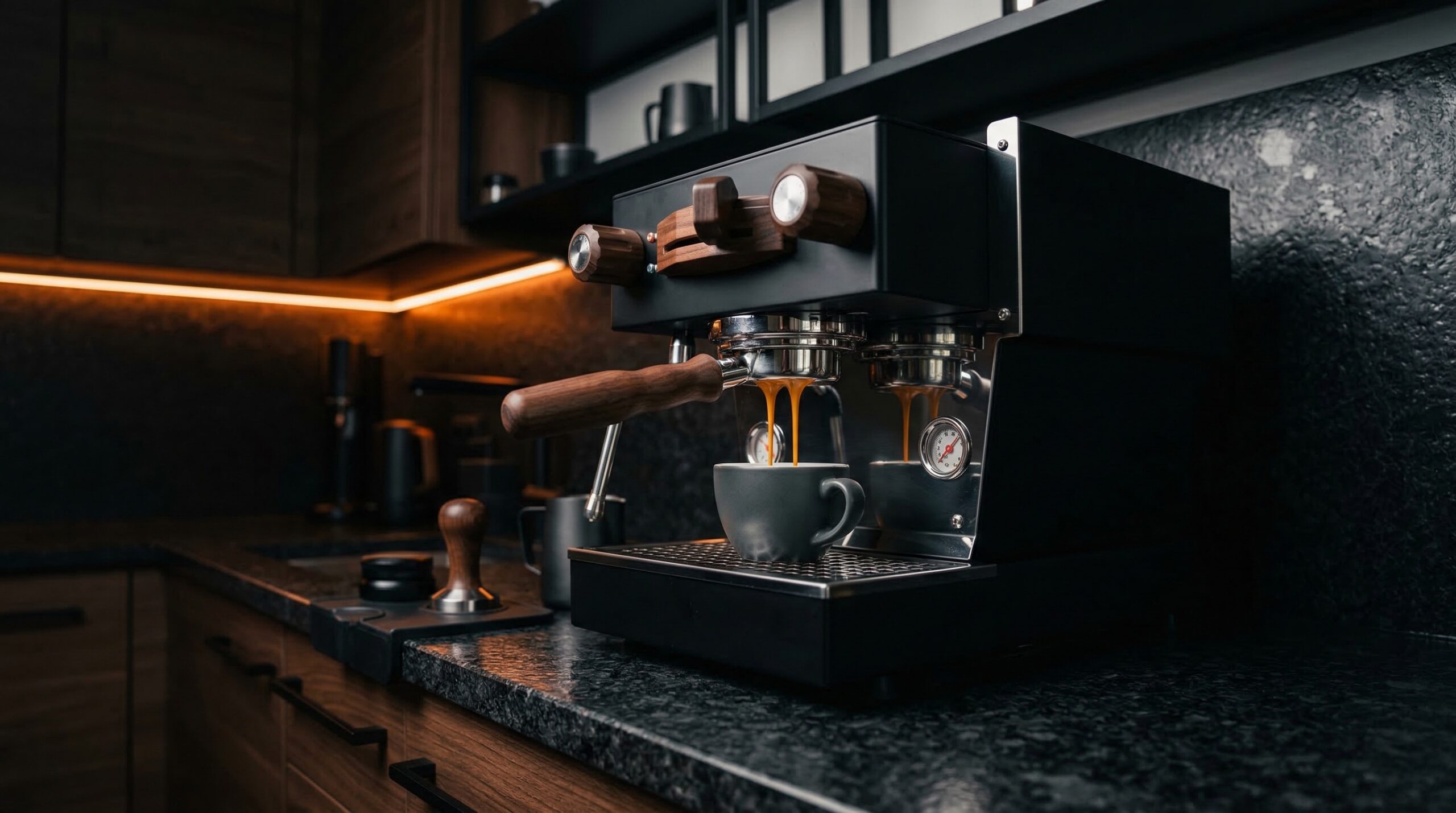
TL;DR
If you’re shopping under $200, prioritize a simple pump machine with a pressurized basket and a steam wand you’ll actually use — then plan on regular descaling to avoid the most common failures. At this price, you’re buying “espresso-like” consistency and convenience more than café-level dialing-in, so pick a model with straightforward controls and a workflow you’ll stick with.
Top Recommended Espresso Machines
| Product | Best For | Price | Pros/Cons | Visit |
|---|---|---|---|---|
| Chefman Craftbrew Espresso Machine – Black Stainless | Budget beginners making occasional milk drinks | $90 – $110 | Low-cost entry from the brand; thinner long-term track record versus legacy models | Visit Chefman |
| De’Longhi Classic Espresso Machine with Milk Frother | Simple espresso + frothing on a familiar brand | $229.00as of Oct 19, 01:30 GMT+0000 | Easy to use with a frother; descaling and longevity complaints show up in buyer reviews | Visit Amazon |
Top Pick: Best Overall Espresso Machines
Chefman Craftbrew Espresso Machine – Black Stainless
Best for: A beginner home espresso setup under $200 who wants an inexpensive way to make cappuccinos and lattes without getting lost in advanced controls.
The Good
- Typically well under $200, which leaves budget for essentials like a small scale, milk pitcher, and descaling solution.
- Simple, beginner-friendly concept: pull a pressurized-basket style shot and steam milk without a steep learning curve.
- A practical “test the habit” machine — useful if you’re not sure you’ll stick with daily espresso.
- Buying direct can make it easier to find the exact model and compatible accessories from the same brand page.
The Bad
- Buyer-review depth is thinner here than on long-running Amazon best-sellers, so reliability signals are harder to judge from user feedback alone.
- As with most sub-$200 thermoblock-style machines, expect slower recovery between pulling a shot and steaming milk (and between back-to-back drinks).
Our Take: If your goal is an affordable, low-commitment espresso machine for milk drinks at home, the Craftbrew makes sense — just go in expecting “good-enough espresso-like shots,” and treat descaling as non-negotiable.
De’Longhi Classic Espresso Machine with Milk Frother
Best for: A small-kitchen countertop setup where you want a straightforward espresso machine from a familiar brand and you’re okay shopping sales to get close to $200.
The Good
- Approachable controls and workflow — user feedback often describes it as easy to get started with.
- Includes a milk-frothing setup, which is the main feature most people miss when they try to “cheap out” below this category.
- Works well with pressurized-style brewing, which is more forgiving if you’re using pre-ground coffee or an entry-level grinder (research and SCA-style extraction fundamentals both point to the grinder being the main limiter).
- Large brand ecosystem — replacement parts and general how-to content tend to be easier to find than with no-name machines.
The Bad
- Descaling can be a pain point, and ignoring it is one of the fastest ways to end up with flow problems in any thermoblock/pump machine.
- Some buyer reviews mention pressure or performance frustrations over time, especially if maintenance is inconsistent.
- It may not consistently price under $200 without a deal, so it’s not the cleanest fit if your budget is a hard ceiling.
4.2/5 across 747 Amazon reviews
“As a longtime customer of De Longhi, I have seen tremendous improvement in their machines. I was very happy with my last purchase a couple of years ago but unfortunately my little grandson broke the dial while playing with it, so I bought this new model for a lot more money (don’t worry, there are no dials to break). This is by far the best machine for its…” — Verified Amazon buyer (5 stars)
“I’m very disappointed with this machine after only 4 months of use. It no longer pushes water through the basket properly and seems to struggle under pressure, which causes the coffee to taste burnt.Support suggested it might be a scaling issue, so I purchased the official De’Longhi descaling solution and carefully followed the full descaling process, but…” — Verified Amazon buyer (1 stars)
Our Take: It’s a reasonable buy when the price dips near your target — but if you choose it, plan your descaling routine up front and keep expectations realistic about shot-to-shot precision at this budget.
FAQ
Can a sub-$200 espresso machine make “real” espresso?
It can make a concentrated espresso-style shot, but most machines under $200 rely on pressurized baskets and basic heating systems, which are designed for forgiveness rather than café-level control. You can still get satisfying drinks, especially milk drinks, but don’t expect the same dialing-in range you’d get with a non-pressurized basket and an espresso-capable grinder. For extraction fundamentals and why grind quality matters so much, see the Specialty Coffee Association (SCA).
Do I need a grinder for these machines?
If you’re using a pressurized basket (common at this price), you can get acceptable results with pre-ground coffee — though fresher coffee almost always helps. If you want to move toward non-pressurized baskets later, you’ll need an espresso-capable burr grinder; otherwise your shots will run fast/slow unpredictably and taste harsh or sour. In practice, many home baristas get better results spending more on the grinder than on a slightly fancier budget machine.
What should I look for if I mainly make lattes and cappuccinos?
Prioritize a steam wand or frothing system you can control, and expect to pause for recovery time between brewing and steaming on compact thermoblock machines. With weaker steam, a smaller pitcher, colder milk, and a quick purge of the wand often help you get finer foam. Also be mindful of burn risk around steam and hot water — OSHA’s burn/scald guidance for hot liquids is a useful reminder to keep hands clear and work deliberately when purging and wiping the wand.
How often should I descale an espresso machine under $200?
It depends on your water hardness and how often you use the machine, but the key is consistency: scale buildup is one of the most common causes of slow flow, temperature instability, and pump strain in budget machines. If you notice slower shots, more noise, or inconsistent temperature, that’s often a cue to descale sooner. Always follow the manufacturer’s instructions and rinse thoroughly after descaling.
Are “15-bar” and “20-bar” claims meaningful when shopping budget espresso machines?
Not as much as marketing suggests. Many brands advertise pump pressure, but what matters for taste is the overall system: grind size, dose, puck prep, water temperature, and how stable the machine is through the shot. Under $200, you’ll generally get better results by choosing a machine that’s easy to use and easy to maintain than by chasing the highest “bar” number.
What’s the safest way to use a steam wand at home?
Treat steam and hot water as burn hazards: purge carefully, keep fingers away from the steam tip, and wipe the wand with a damp cloth after use once it’s safe to do so. Don’t remove the portafilter while the machine is still pressurized, and unplug before cleaning anything electrical. Choosing machines that meet recognized electrical safety standards (for example, guidance and context from UL) is also a sensible baseline when you’re buying any countertop heating appliance.
How do I set expectations for budget espresso machine performance?
Expect decent crema from pressurized baskets, workable milk foam with practice, and some variability from shot to shot — especially if you switch beans often or use pre-ground coffee. For additional hands-on buying perspective on what tends to matter most (heat-up, consistency, steam usability), see budget machine coverage from CNN Underscored’s budget espresso machine reviews.
Bottom Line
If you want the best chance of being happy under $200, start with the Chefman Craftbrew Espresso Machine as a simple, low-cost entry point that’s geared toward the way most people actually drink espresso at home — in milk drinks. Whichever machine you choose, your results will improve most by using fresh coffee, keeping your workflow consistent, and descaling on a schedule that matches your water.
Affiliate disclosure: This page includes affiliate links. We earn a small commission if you buy through them.
Product prices and availability are accurate as of the date/time indicated and are subject to change. Any price and availability information displayed on Amazon.com at the time of purchase will apply to the purchase of this product. Certain content that appears on this site comes from Amazon. This content is provided “as is” and is subject to change or removal at any time.